Give people room to lead.
I hire people who bring strengths I don't have, give them clear direction and trust them to use their judgment. My responsibility is to provide the support, authority and accountability they need to succeed.
People should know what is expected, which decisions they own and that I will support them when a reasonable decision gets difficult.
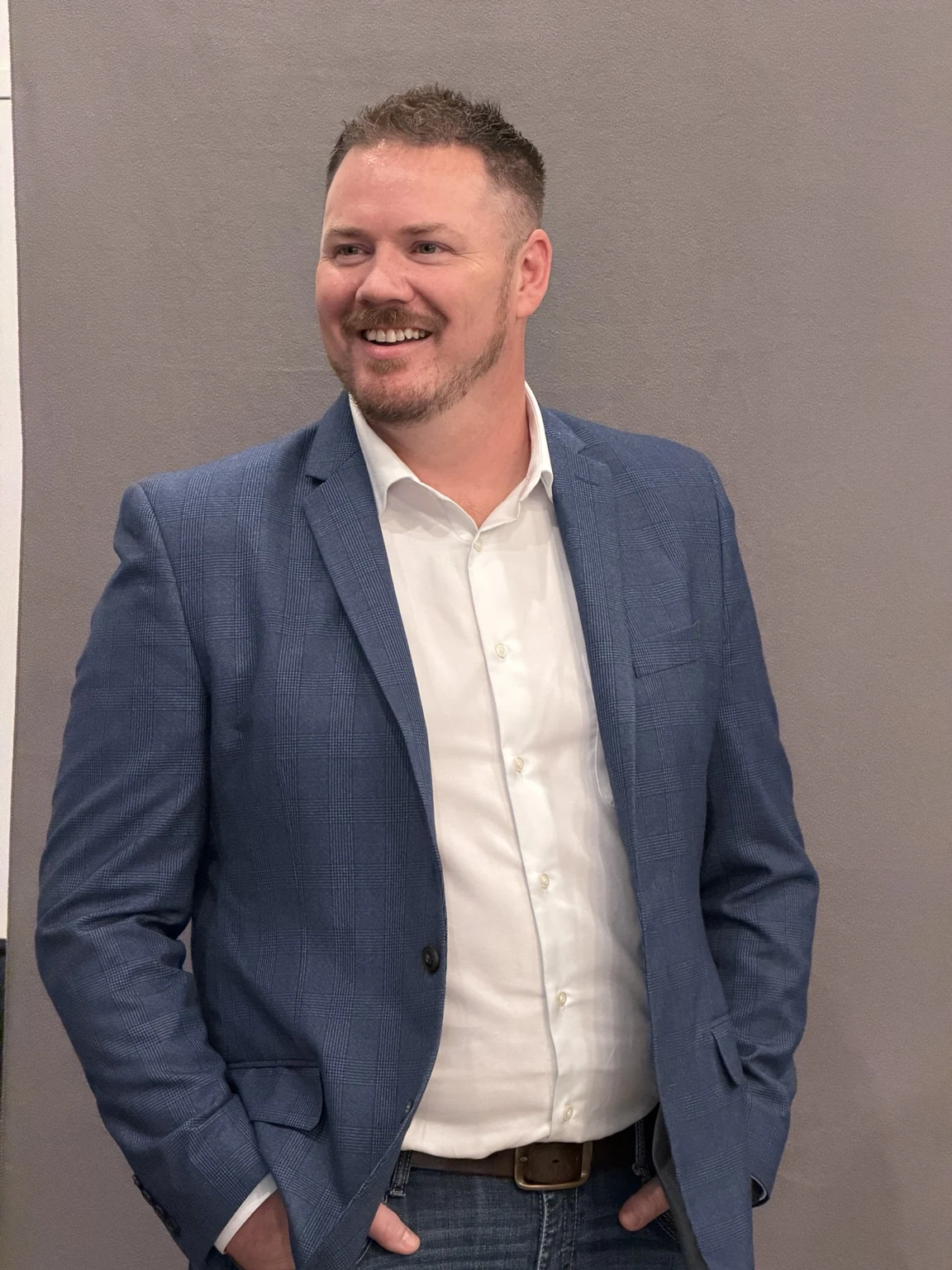
Hire people who make the team stronger.
I have never believed my value as a leader comes from having every answer. I want to work with people who know their areas better than I do and are comfortable telling me when there is a better approach.
If I hire someone for their expertise, I owe them the opportunity to use it rather than prescribing every step.
Be clear about the outcome. Allow room for judgment.
I try to be specific about what we need to accomplish, why it matters, what constraints apply and when a decision needs to come back to me. Within those boundaries, I want people to have meaningful ownership of the work.
My preference alone is not a reason to reject a sound approach. I evaluate ideas on their merits and give people room to make decisions within agreed boundaries.
Delegation also requires resources, access and timely decisions from me. I cannot hold someone accountable for an outcome while withholding the information or authority they need to achieve it.
Let people make their choices. Own how I lead.
The idea behind Mel Robbins’ The Let Them Theory resonates with me: stop trying to manage everyone else’s reactions and put more attention on your own choices. My application of that idea as a leader starts with giving people space to think, disagree and respond in their own way.
I do not need everyone to react to change exactly as I would. A person can have questions, need time to process a decision or challenge the reasoning without being unwilling to contribute. I can listen and remain clear about the direction we need to take.
The responsibility I keep is substantial. I choose how clearly I communicate, whether I follow through and how I respond when someone brings me a concern. If my own approach is adding confusion or frustration, I need to address it.
Giving people room still requires active leadership. When conduct causes harm, standards are missed or a decision creates unacceptable risk, I need to step in. Respect for another person's choices does not remove my responsibility for the team or the business.
Support reasonable decisions, including the imperfect ones.
I want people to bring me concerns early. That becomes much harder if they believe every problem will lead to blame or every imperfect result will cost them the authority they were given.
When someone makes a reasonable decision with the information available, I believe their leader should help them work through the outcome. We can look honestly at what happened, learn from it and decide what needs to change. I also need to consider whether my direction, priorities or support contributed to the problem.
Repeated issues, poor judgment or a decision beyond someone's readiness may call for closer supervision or a change in authority. I will make that adjustment when it is needed and explain it directly. Support includes honest feedback about what a person is ready to own.
Be approachable enough to hear the truth.
I value relationships in which people can tell me something I may not want to hear. I need to know when a process is failing, a commitment is unrealistic or my recommendation overlooks something important.
That starts with how I receive the message. If I ask for candor and become defensive when someone offers it, I have made the next conversation less likely. I want to understand the concern, test my assumptions and recognize a stronger recommendation when I hear one.
After listening, I am still responsible for making decisions within my role. People may not agree with every call, but they should understand the reasoning and know their perspective received serious consideration.
Develop people who can succeed without me.
One of the most rewarding parts of leadership is seeing someone become confident in responsibilities they once found intimidating. That growth requires opportunities to practice, timely feedback and a leader willing to let the person stretch.
I want managers to develop their own judgment and build the same confidence in their teams. If every decision continues to come through my office, I need to ask whether I have made the team too dependent on me.
My goal is an organization where people understand their responsibilities, support one another and can keep moving when I am not in the room. Success should belong to the team and be sustainable beyond any one leader.
Lead with the whole organization in mind.
My background is in HR, and my responsibilities have extended into operations, acquisitions, safety, fleet, technology, compliance and nonprofit leadership. That experience has shaped how I look at a decision: who it affects, what the business needs and what it will take to make it work.
I want to be a candid and dependable partner to executives, colleagues, board members and the people doing the work. Sometimes that means helping a team move quickly. Sometimes it means challenging a plan or having a difficult conversation before a small issue becomes a larger one.
The standard I hold for myself is straightforward: explain the direction, trust capable people, address problems fairly and accept responsibility for my own decisions. That is how I want people to experience my leadership.